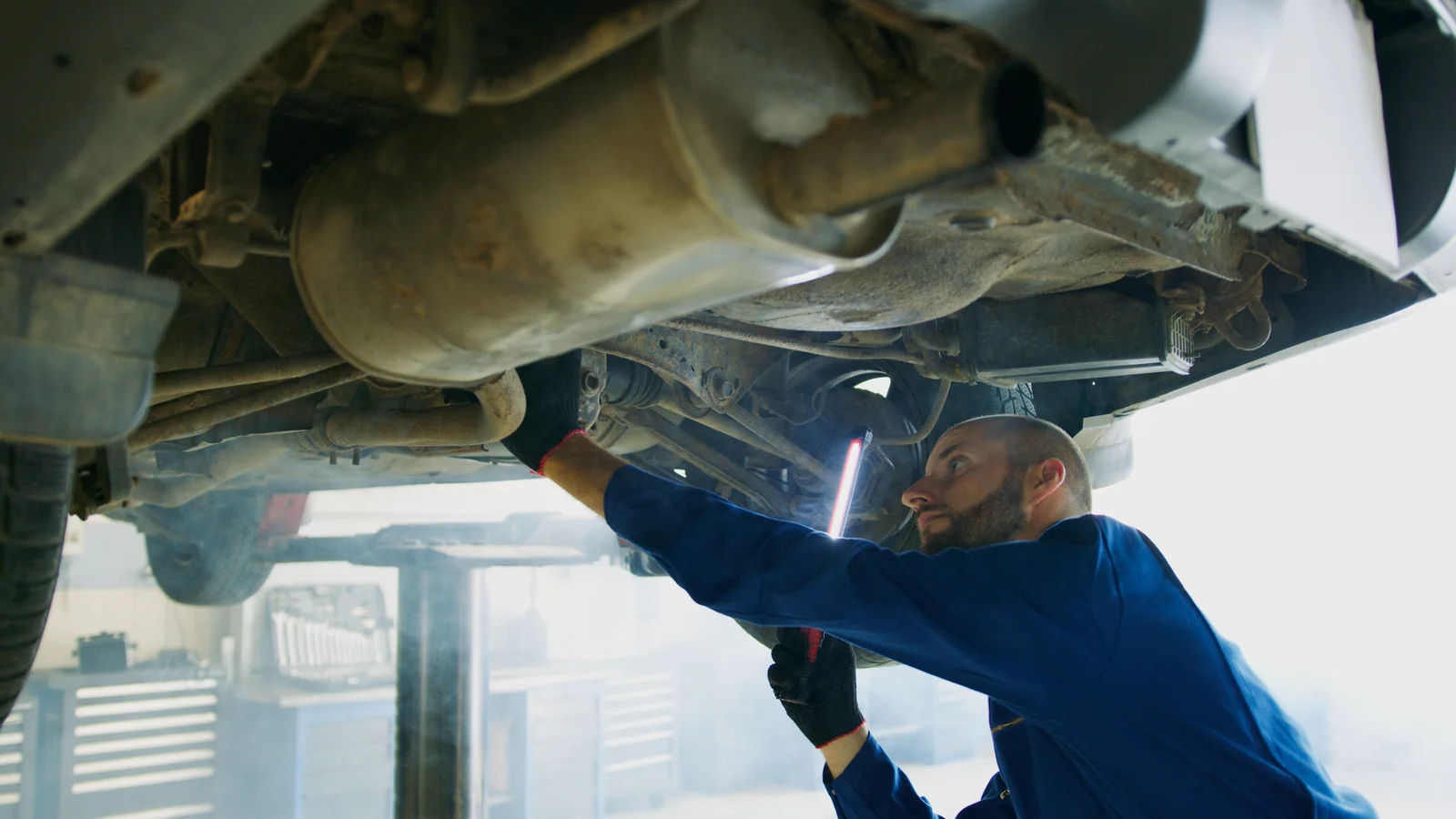
Used car flood damage checks should happen before you approve a vehicle for export. Start with its identity and available history, then ask an independent inspector to examine any signs of water exposure. Keep unanswered questions attached to that vehicle's quotation so your purchasing team can decide whether to proceed.
A dealer ordering several cars needs a separate decision for each one. This guide explains how to request the evidence remotely and record the result. It does not establish the condition of a car in the Willshine Auto catalogue.
Ask about water exposure before shortlisting
Send the supplier a written question about known flooding, water ingress and related repairs. Request the vehicle identification number or chassis identifier, original market and available registration history. Ask which records support the seller's description and what remains unknown.
Keep the response with the current vehicle reference. A statement about a previous batch cannot establish the history of a replacement car. If the supplier proposes a substitution, request its own documents and inspection before accepting it.
Model pages such as the Toyota Corolla and Toyota Hilux help describe your sourcing preferences. Their vehicle illustrations are reference images, not photographs of confirmed stock. Ask for dated photographs of the actual car offered, including its identification markings.
Read history searches within their coverage
Choose a history source relevant to the vehicle's previous markets. Record the provider, date, identifier searched and coverage limitations. Compare the result with the seller's response and available ownership or repair documents. Ask for clarification when the sources disagree.
For vehicles with relevant US records, NICB VINCheck checks participating insurers' theft and salvage records. NICB explains that it is not a comprehensive vehicle history report and does not search every insurer's records. A result without a matching record cannot establish that a vehicle has never flooded.
Do not treat a US database as worldwide clearance for a car from another market. Ask which records are available for its actual history. The service history and mileage guide explains how to organise dated records against one vehicle identifier.
Request photographs that explain concerns
A clean exterior photograph leaves much of the cabin and underside unseen. Ask for clear images of the areas your inspector wants to review, with enough surrounding detail to identify their location. Request close photographs of any damage alongside a wider view.
The FTC's flood-damage guidance identifies warning signs including sediment beneath seats or the dashboard, unusual corrosion, carpet inconsistencies and musty smells or strong cleaning odours. Ask an inspector to investigate such findings. Photographs cannot convey smell, and one stain alone cannot explain its cause.
If the supplier has replaced interior materials, ask what was changed and why. Request any supporting repair records. Keep the answer and photographs together rather than removing an unresolved observation from the file because the car now looks cleaner.
Give an independent inspector a written scope
Tell the inspector about the seller's disclosure and any concerns in the documents or photographs. Ask what checks are feasible, which areas require specialist access and what the report will exclude. Agree the inspection arrangements before relying on a delivery timetable.
The FTC's used-car buying guidance explains that a history report does not replace an independent mechanical inspection. It recommends a written report identifying the car and setting out necessary repairs. Its guidance concerns US consumer purchases; it does not define the terms of an international wholesale order.
For your purchasing file, request dated findings, supporting photographs and an explanation of checks the inspector could not complete. Have a qualified technician assess electrical or mechanical concerns. Buyers considering an electric model should also prepare the separate requirements in our battery and charging guide.
Resolve findings before approving the order
Separate an observed condition from its proposed explanation. For example, an inspector may record staining while the seller attributes it to a spill. Ask what evidence supports the explanation and whether further checks can resolve the concern. Mark the item as unresolved until your reviewer has enough information to decide.
Agree your acceptance criteria before selecting vehicles. Your business may exclude documented flood exposure or require further specialist assessment for unexplained water damage. Put that requirement in the sourcing brief and record who can approve an exception.
For every proposed vehicle, keep a short decision record:
- Vehicle reference and identifier matching the quotation.
- Seller disclosure, history sources and inspection date.
- Findings, missing evidence and inspection limitations.
- Further work requested and the person responsible for reviewing it.
- Approval, rejection or a decision still awaiting evidence.
Have your destination agent confirm any documentation or eligibility questions for that vehicle. A satisfactory condition review does not by itself establish import eligibility.
Include the evidence request in your enquiry
State the models, preferred years, quantity and destination, then add your requirements for water-exposure disclosure and inspection. Explain which unresolved findings would prevent approval. Ask the supplier to identify missing evidence before you compare final quotations.
Use the broader dealer inspection checklist to combine these questions with the rest of your condition review. You can browse sourcing options and use the sourcing guide to prepare your request. Actual availability, vehicle history, agreed inspection services and price need confirmation in the individual quotation.