Buying a used Toyota Hilux for a fleet starts with the work it must do. A pickup carrying technicians to customer sites needs a different brief from one moving equipment between rural depots. Before comparing years or asking for a price, write down the people, loads and routes the vehicle will serve.
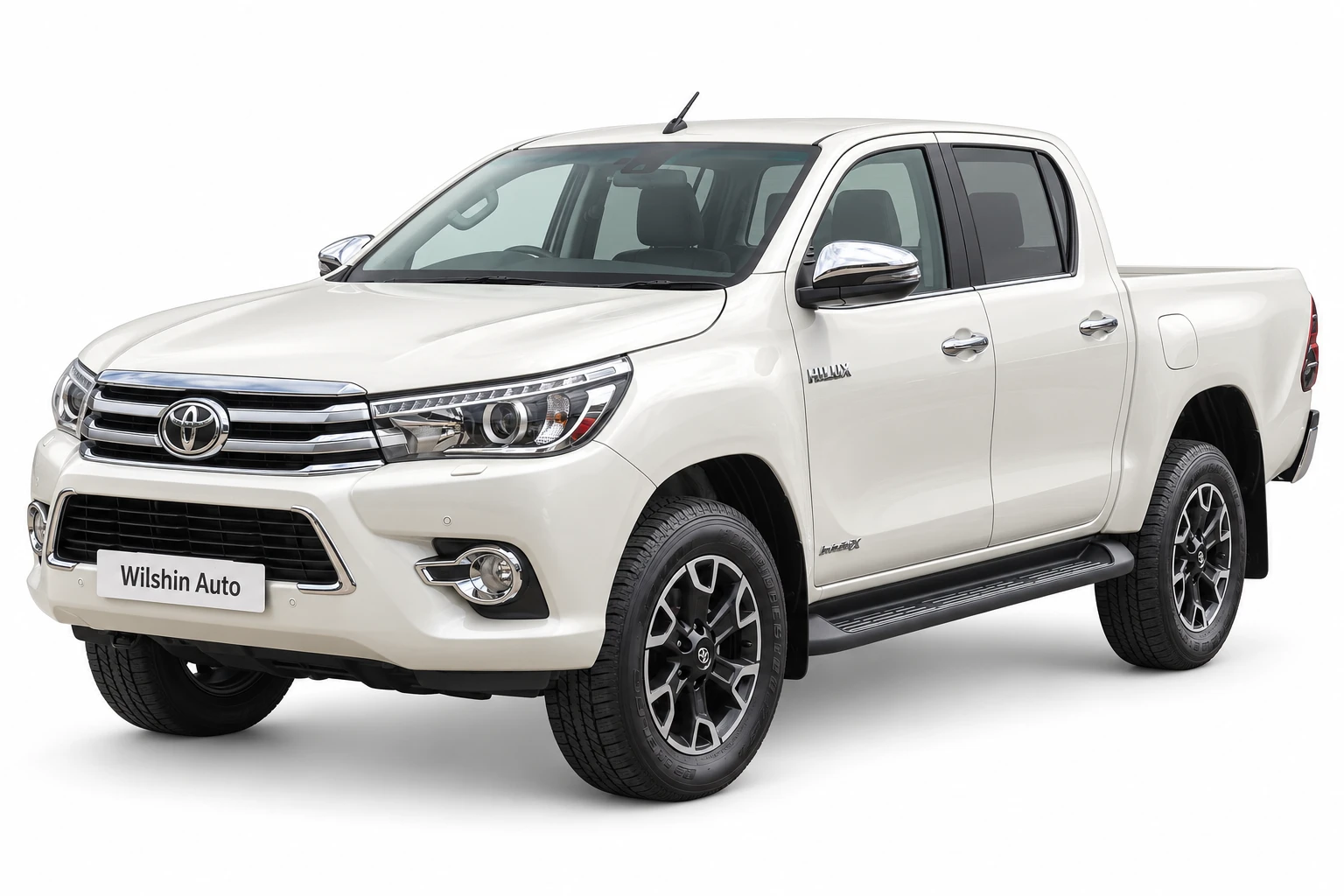
This guide helps business buyers turn those requirements into a vehicle-specific sourcing request. The Toyota Hilux model page shows catalogue year options. Its illustration is a sourcing reference; request current photographs and records for any actual vehicle proposed.
Describe a normal working day
List the usual passenger count, equipment carried and road conditions. Include occasional jobs that would exclude an otherwise suitable pickup, such as carrying a bulky tool cabinet or entering a site with restricted access. Give the supplier the dimensions and weight of equipment where you have them.
For a fleet replacement, collect comments from the people driving and maintaining the current vehicles. Ask what does not fit, which journeys cause difficulty and which equipment they use regularly. A brief based on those answers is more useful than a request for the highest trim within budget.
Keep essential requirements separate from preferences. Steering position, seating and destination eligibility may determine whether you can accept a vehicle. Paint colour and cabin finishes may allow more flexibility.
Confirm the cab and load space on the offered vehicle
Ask for the exact cab description, seating arrangement and photographs of the load area. Request measurements for the space your equipment will occupy, including access around any canopy, bed liner or fitted storage. Record whether accessories are included in the quotation.
Toyota's UK Hilux brochure distinguishes cab layouts and provides configuration-specific dimensions and weights. Use it to understand the questions to ask. For a used vehicle from another year or market, obtain the matching specification and documentation; a current UK brochure cannot establish that vehicle's equipment or limits.
If your team needs rear seats, ask an inspector to record their condition, seat belts and access. If you need storage behind the front seats, explain what will go there. Do not rely on the word “cab” in an advertisement to settle the practical layout.
Identify the drive configuration and fitted equipment
Specify whether your request is for two-wheel drive or four-wheel drive, and ask the supplier to identify the configuration of each proposed pickup. Discuss the routes with your fleet manager or a qualified adviser before choosing. A generic claim that a vehicle is suitable for difficult terrain does not describe your operating conditions.
For a four-wheel-drive candidate, include the relevant controls and drivetrain operation in the inspection request, following the matching owner's manual. Ask the inspector to state what could be tested and under what conditions. Record any warning lights or functions that could not be verified.
Check modifications separately. Larger tyres, a suspension change, a canopy or a tow bar should have their own photographs and supporting information. Ask whether the equipment affects the intended job, maintenance arrangements or destination approval before accepting it.
Check the load requirement against vehicle-specific limits
Prepare a load list covering occupants, tools, cargo and equipment you intend to fit. Ask a competent vehicle specialist to assess the proposed working configuration against the vehicle's documented limits, including relevant axle and towing limits. Confirm how accessories and any trailer arrangement are accounted for.
Avoid applying a headline payload or towing figure to every Hilux. Ask for the actual vehicle's identification and weight information, plus the appropriate manual or specification reference. Keep that evidence with your acceptance decision.
Your request can say: “Please identify the proposed vehicle's cab, drive configuration and documented weight limits. Our intended load includes the occupants and equipment listed in the attached brief. Flag any requirement that needs a specialist assessment before we approve the vehicle.” This gives the supplier a specific question to answer without assuming a capability.
Review maintenance evidence for the intended duty
Request the available service invoices and a dated mileage photograph. Compare the records with the schedule for that vehicle's year, engine and original market. Ask what work is due next and whether the quotation includes any agreed maintenance before delivery.
Toyota Australia's servicing guidance directs owners to the vehicle's service book and notes that operating conditions affect servicing needs. It is a regional reference, not a universal interval for every exported Hilux. Obtain the applicable schedule and discuss your duty cycle with the workshop that will maintain the fleet.
Use the service history and mileage guide to organise the records. For the physical assessment, send the dealer inspection checklist alongside any pickup-specific concerns, including the underside, load area and fitted equipment.
Approve each pickup separately in a batch order
Give every candidate its own row in your purchasing file: vehicle reference, identity, year, configuration, mileage, inspection result and quoted scope. Record specification differences explicitly. Two pickups described by the same model and year can require different acceptance decisions.
If a proposed vehicle is replaced, review the substitute's records before approval. Keep a list of unresolved questions and who is responsible for answering them. Your purchasing team should be able to distinguish an accepted vehicle from one still under review.
Start your enquiry through the vehicle collection with the required quantity, requested years, steering preference and destination. Add the working-day brief and any load or equipment requirements. The sourcing process explains how those details become an individual quotation.