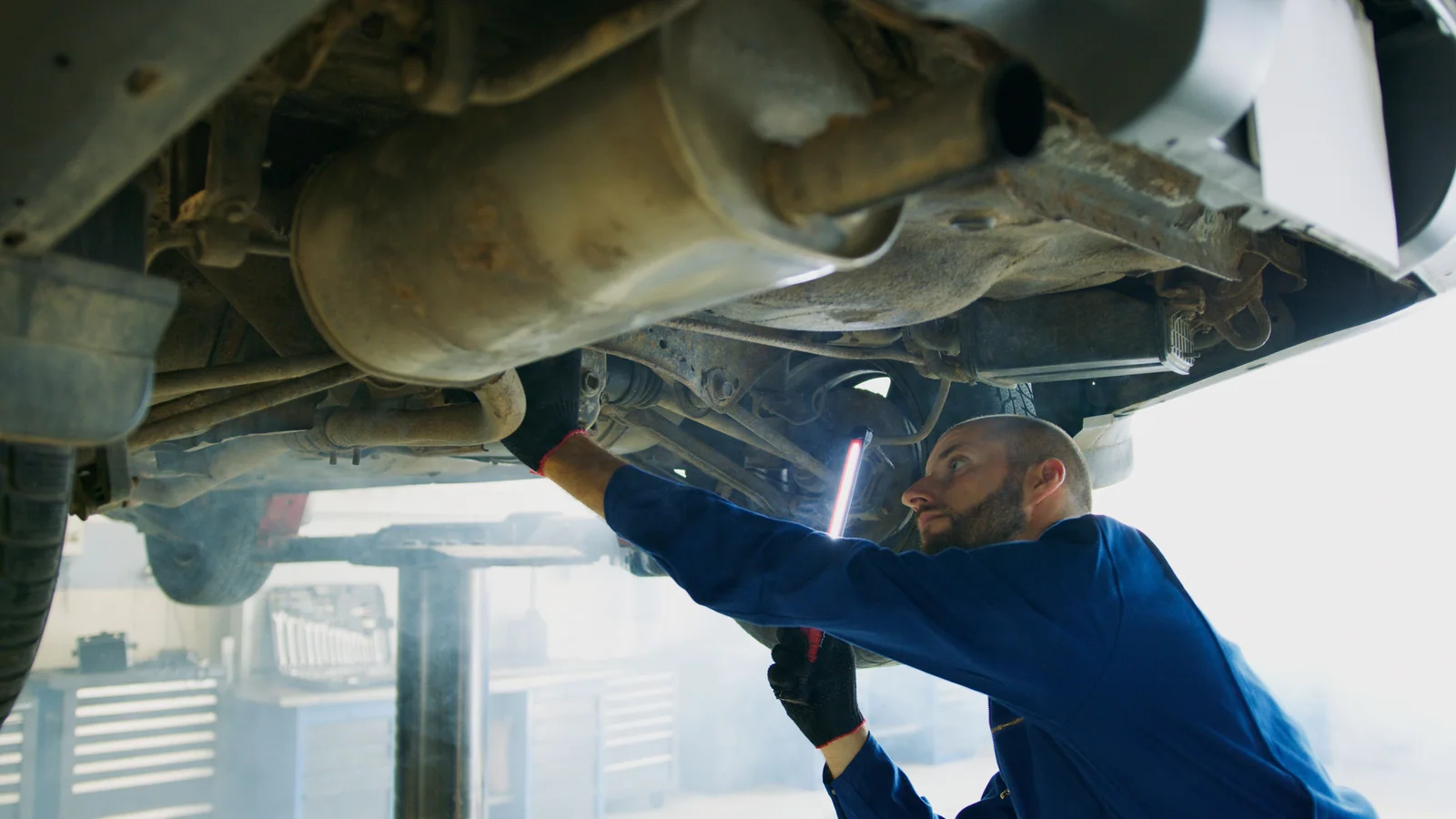
Used car service history helps a buyer understand what is documented about a vehicle before agreeing an order. The useful task is to connect each record to the right vehicle, place the entries in date order and identify questions that remain unanswered. A photograph of a service book or dashboard is a starting point for that review.
For a dealer buying a batch, build a separate file for every vehicle. Keep the displayed mileage, supporting records and inspection findings together. This guide focuses on the document review; the dealer inspection checklist covers the wider physical assessment.
Request records against a vehicle identifier
Ask the supplier to label the file with the VIN or chassis identifier and its own vehicle reference. Request legible copies of the available invoices, service-book entries, inspection records and relevant ownership or registration documents. Check whether each record carries an identifier that connects it to the proposed car.
Where a document uses a registration number rather than a VIN, ask for the evidence connecting that registration to the vehicle. Keep the explanation with the record. Have the supplier obtain documents through an authorised route, with unrelated personal information removed where appropriate.
An account screenshot may show that an entry exists without showing the work completed. Ask for the underlying invoice or a service-provider confirmation where it is available. Record the source of each item so another member of your team can follow the review.
Build a dated mileage timeline
Create a simple record with one entry for each dated item. Include the original date, displayed distance, unit, document source and work description. Preserve the original units when you make a comparison; label any conversion clearly.
Ask for a current odometer photograph with the capture date and vehicle reference. Compare the reading with the available earlier entries. NHTSA's odometer-fraud guidance recommends comparing displayed mileage with maintenance or inspection records and requesting a vehicle history report. These are useful cross-checks; a matching sequence alone cannot establish the complete history of a car.
If a later record shows a lower reading, pause the approval and ask for an explanation supported by documents. Check for different units, an input error or a documented instrument replacement. Keep the original entry and the explanation together instead of silently correcting the file.
Separate work recorded from work still unverified
Read what the invoice actually describes. Ask whether an entry records an inspection, a routine service, a repair or a part replacement. A short description such as “service completed” may leave you unable to identify the items checked or changed.
Make a list of important work you need to establish for the exact vehicle. Give it to a workshop familiar with the model and ask which records would support the review. Where an invoice is available, compare the vehicle identifier, date and item description with the rest of the file.
If clarification is needed, request the seller's permission for the service provider to confirm relevant details. Use contact information you can verify independently. Record what the provider can confirm and what remains unavailable; do not treat an unanswered question as completed maintenance.
Use the schedule for that year and market
Identify the vehicle's year, engine or powertrain and original market before assessing service intervals. Obtain the corresponding maintenance schedule. Ask a qualified workshop to review the documented work and explain what is due next for the intended use.
Toyota Australia's servicing FAQ explains that schedules depend on the vehicle and operating conditions, and directs owners to the relevant service book. That guidance should not be turned into one kilometre interval for every used Toyota, or applied to vehicles from other manufacturers.
Keep a separate list of proposed work before delivery and maintenance you expect after arrival. Ask the supplier to price agreed work explicitly and provide its completion record. This makes a quotation for a Toyota Corolla or Hilux easier to review against the actual vehicle offered.
Check the coverage of history and recall searches
If a history report is supplied, record the provider, report date, identifier used and markets covered. Read its limitations. Ask which periods of the vehicle's life are represented and whether the report includes service events, ownership information or other records relevant to your review.
Check recalls through the manufacturer or appropriate authority for the vehicle's original market. NHTSA explains the limits of its US recall lookup, including that it does not show recalls involving international vehicles or recalls already repaired. A result from that tool should not be presented as worldwide recall clearance.
Where a campaign or repair is relevant, ask for confirmation against the actual identifier and discuss completion arrangements with the appropriate dealer. Keep the result separate from the service timeline so the purchasing team can see what each source establishes.
Give gaps an explicit purchasing decision
Mark missing periods as undocumented. A gap does not establish why a record is absent, and it does not establish that maintenance occurred. Ask for further evidence, arrange an appropriate inspection or record that the vehicle does not meet your acceptance criteria.
For fleet orders, use the same review fields across the batch. Each candidate should have a status such as awaiting documents, awaiting inspection or accepted, with unresolved questions attached. Have the person responsible for approval sign off the remaining uncertainty against that vehicle's reference.
Send your document requirements with the first sourcing brief. You can write: “For each proposed vehicle, please provide the identifier, a dated odometer image with units, available service records and explanations for any inconsistent entries. Identify missing records and proposed maintenance separately before we approve the vehicle.”
Use the vehicle collection to select models and years, then add quantity and destination details. The sourcing guide explains the quotation process. Buyers considering electric models can also request the evidence described in our battery and charging guide.