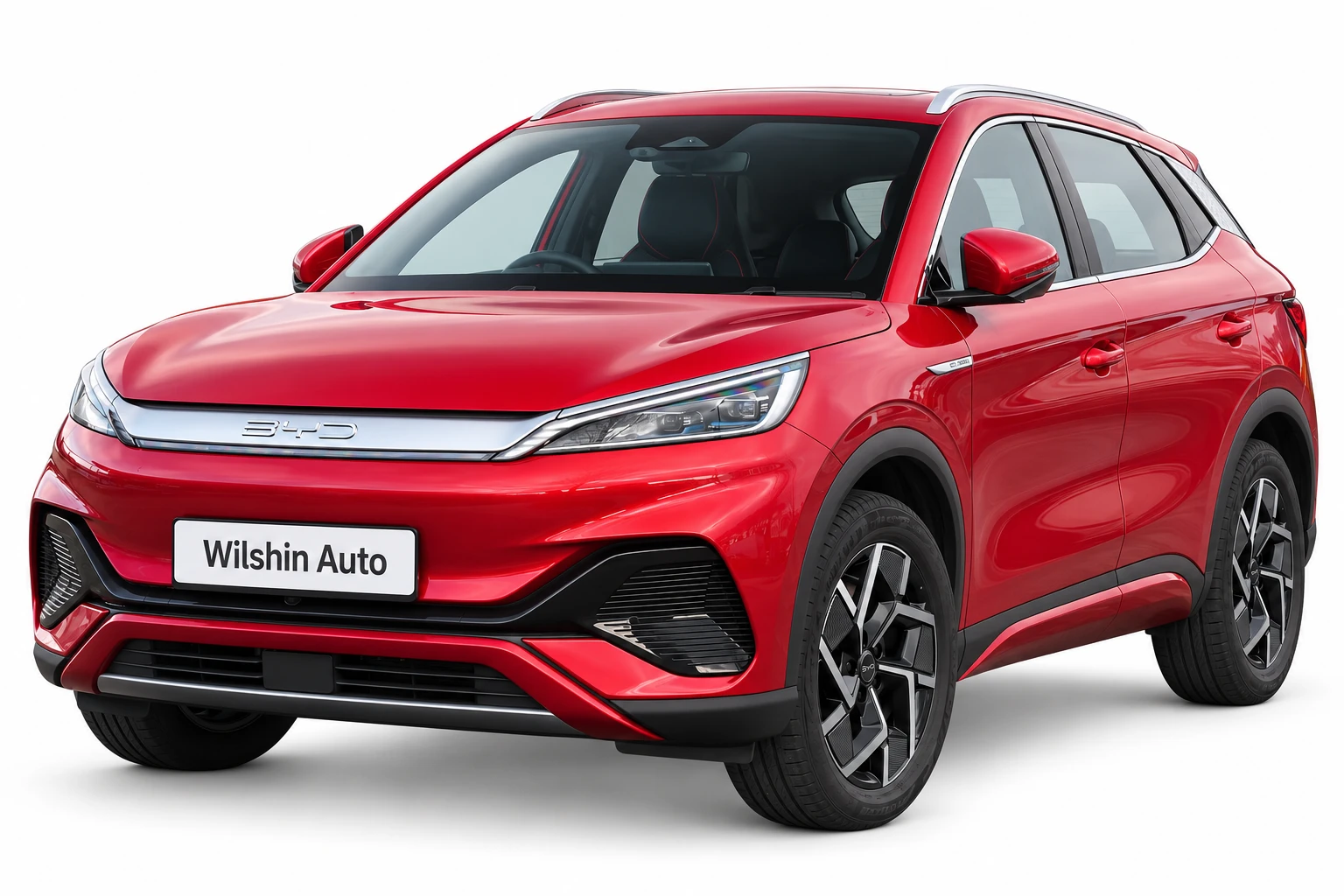
When buying used electric cars for export, ask for evidence about the battery and a charging plan for the destination. The model name, advertised range and dashboard charge level do not answer whether a particular vehicle will suit your customers.
This guide sets out a purchasing brief for dealers and fleet buyers considering vehicles such as the BYD Atto 3, NIO ES6 and XPeng G6. Confirm the exact vehicle, market and configuration before comparing reports or charging equipment.
Identify the version you are actually buying
Request the VIN, manufacturing date, model year, first registration and original sales market. Add the battery version and any documented replacements or repairs. Ask for the owner's manual that applies to that vehicle, rather than relying on a specification sheet for a newer model.
A model sold in different markets may have different equipment. Photographs of the charging inlet and supplied cables, together with the matching manual, help establish what is fitted to the proposed car. BYD's European owner-manual portal is one example of a manufacturer source; use the appropriate market's documentation for the vehicle offered.
Willshine Auto's model and year directory helps you describe your sourcing preferences. Illustrations may show another year or trim. Ask for actual vehicle photographs and records when a specific car is proposed.
Ask for a current battery-health report
Battery state of charge describes how full the battery is at the time of a reading. State of health, often shortened to SoH, is intended to describe its condition relative to a reference when new. A dashboard showing a high charge level is therefore insufficient evidence of battery health.
ADAC's used EV buying guidance recommends obtaining battery-condition evidence and explains that diagnostic approaches differ. When requesting a report, ask who performed the test, which method was used, when it was carried out and which vehicle it covers. Have a qualified assessor explain its limits, including how the reported result was calculated.
Keep these questions in the inspection brief:
- Does the report identify the VIN, test date and displayed mileage?
- What measurements support the health assessment, and what remains untested?
- Are fault codes, charging faults or battery-related warnings recorded?
- Is there documented battery replacement, repair or warranty work?
- Has a qualified technician assessed visible damage or other concerns affecting the battery system?
Avoid setting one universal SoH threshold for every model and use case. Agree your acceptance criteria with an assessor who understands the specific battery and your intended use. A commuter fleet, for example, needs a realistic assessment of its daily routes and charging arrangements.
Confirm AC and DC charging for the destination
Ask the supplier to identify the fitted charging connector and supported charging arrangements for the exact vehicle. Check the owner's manual and have a qualified local charging provider confirm compatibility with the equipment your customers will use.
Make AC charging and DC rapid charging separate items in the inspection request. Ask whether each has been tested, which equipment was used and whether the test encountered an error. If a charging test was unavailable, record that clearly rather than treating it as completed.
Do not assume a cable or adaptor solves every compatibility issue. Ask the manufacturer or an appropriately qualified provider to confirm supported equipment, power requirements and any restrictions. Plan home, workplace or public charging around verified compatibility before agreeing the purchase.
For fleet buyers, describe where the cars will be parked and charged, the expected daily distance and the time available between shifts. These details help your local provider assess a workable charging plan.
Check battery ownership on NIO vehicles
NIO has offered Battery as a Service, or BaaS, which separates the vehicle purchase from a battery subscription. Its official launch announcement describes that arrangement. It does not establish the ownership terms of a particular used car or the services available in your destination today.
For an offered NIO vehicle, ask whether the battery is owned outright, leased or subject to another agreement. Request the supporting documents and written confirmation of any transfer conditions. Check with NIO or the relevant contract provider whether the proposed sale and export are permitted and what services would remain available.
Resolve these points for the actual vehicle before agreeing a price. Apply the same ownership check to any other EV offered with a separate battery contract.
Confirm service, software and warranty support
Ask who can inspect and service the exact version at the destination. Check access to suitable diagnostic equipment, replacement parts and manufacturer guidance. Obtain written answers about any warranty coverage that is important to the purchase; coverage at the original sales location does not prove coverage after export.
Review account ownership, keys and connected features as part of handover. Ask how the previous owner's account will be removed and whether supported transfer arrangements exist. Confirm which app, navigation and connected services operate in the destination. Price the car against the functionality that has been confirmed.
Keep the EV evidence with the quotation
Ask for a vehicle-level package containing identity records, mileage, condition photographs, available history, battery assessment, charging-test results and the supplied equipment list. Add the unresolved questions and the person responsible for answering them.
The quotation should identify the actual vehicle and record what is included. Battery condition, mileage, specification and repair history can affect the price. Shipping arrangements and destination costs also need confirmation. Our wholesale used car inspection checklist covers the broader vehicle and batch-purchasing checks.
Questions to settle before an order
Is the displayed range a battery-health test?
Treat it as a separate piece of information. Request a documented battery assessment and ask the assessor how the results relate to the vehicle's intended use.
Can I assume all cars of one model charge the same way?
Verify the original market, year, version and fitted equipment for each proposed vehicle. Use its matching documentation and confirm compatibility at the destination.
What should I include in a used EV enquiry?
Send the model, requested year, quantity, steering preference and destination, along with your expected use and charging arrangements. Choose from the vehicle collection and use the sourcing guide to prepare the request. Actual availability, condition, equipment and the final price are confirmed in an individual quotation.