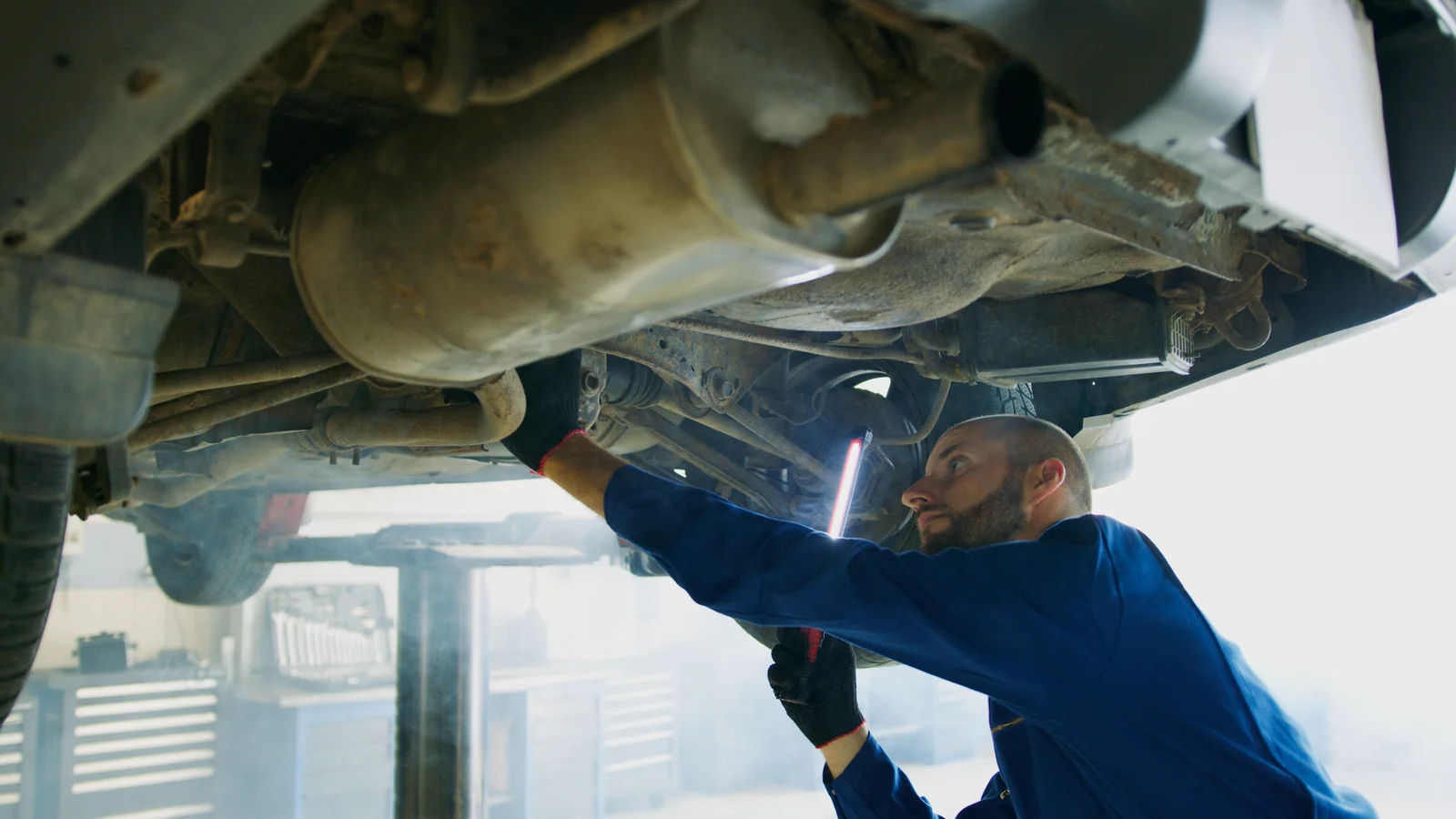
A used car inspection report can contain reassuring photographs and still leave the purchase undecided. The useful question is whether the evidence supports your requirements for the actual vehicle, including the checks that could not be completed. A long list of ticks provides little help if nobody explains what those ticks mean.
This guide is for a dealer or fleet buyer reviewing a report remotely before accepting an export quotation. Our dealer inspection checklist covers what to request. Here, the task is to interpret the response, decide which gaps need further work and record a defensible purchasing decision. The process below is a proposed review method, not a vehicle certification or a legal acceptance standard.
Establish what the report was commissioned to answer
Read the inspection scope before the overall grade. Identify the commissioner, assessor, inspection date, location and the work ordered. Ask whether the assessment included a road test, diagnostic scan, underside access or only a stationary visual examination. Record restrictions such as inaccessible areas and unavailable equipment alongside the relevant findings.
The US Federal Trade Commission's used-car guidance distinguishes mechanical inspection from safety inspection and recommends obtaining a written mechanic's report with repair estimates and the vehicle's identity. It also explains that a history report cannot replace independent inspection. This is US consumer guidance; its legal rules do not establish rights in an African wholesale transaction. The evidence distinction is useful when preparing your own review.
Ask the assessor to explain the report's terminology. A satisfactory result could mean an item operated during a brief check; it might not cover wear measurement or future reliability. If the method is unclear, request clarification before assigning a purchasing status. There is no universal meaning to a supplier's percentage score.
Confirm identity and separate each type of evidence
Connect the report to the VIN or chassis identifier, current identification photographs and the exact proposed variant. Compare dates with the quotation and any subsequent repair or storage record. A report prepared before material work was done may need updating. If a different car is offered, review its own evidence instead of transferring the first car's approval.
Keep three fields beside each important requirement: what was requested, what was actually supplied and what conclusion the reviewer can support. For example, an odometer image records a displayed reading at a point in time. A workshop invoice records described work. Neither alone answers every question about mileage history or current mechanical condition. Use the service-history review for the document timeline rather than repeating that entire exercise inside the inspection decision.
Treat recall searches as a separate source. NHTSA's recall lookup lists limitations, including international vehicles and recalls already repaired. A result from that US tool cannot clear every vehicle worldwide. Ask the manufacturer or appropriate authority which source covers the actual market, and retain the dated answer with the vehicle file.
Give unknowns a status instead of a passing mark
Use a review vocabulary your purchasing team can apply consistently. One practical approach is to mark an item as supported, requiring clarification, requiring agreed work, or unresolved because it was not examined. These are purchasing workflow labels. A qualified assessor must explain the technical significance of a finding.
Keep observation and interpretation in different fields. A report may describe a visible fluid trace, while a seller describes it as harmless residue. Ask the assessor what was observed, what could be established about its source and which further checks are needed. Do not diagnose it from a photograph or silently adopt the seller's explanation.
Prioritise gaps by whether they affect an essential requirement. If you require an underside assessment and there was no access, that requirement remains open. It does not become a failed underside, but it cannot become an accepted underside either. Obtain appropriate access or decide that the remaining uncertainty exceeds your buying criteria. Keep the decision and its author visible.
Choose between clarification, further inspection and withdrawal
A missing report page may be resolved by obtaining the original file. An ambiguous technical observation may need an assessor's explanation. An unperformed test requires a suitable assessment rather than more reassuring wording. Match the next action to the actual gap so you do not pay for another general inspection that repeats the same limitations.
Compare the cost and delay of further work with the importance of the requirement and the alternatives available. Do not invent a discount to compensate for an unknown safety issue. Ask a qualified professional whether the proposed repair and verification are suitable, then make the commercial decision within your documented purchasing policy.
For a fleet, consistency means applying the same essential requirements to each car. It does not mean every car receives the same decision. If one candidate needs additional investigation, keep it pending while reviewing the others separately. Any replacement proposal needs its own identity, findings and quotation. A dispatch target should not automatically turn an unresolved item into an accepted exception.
Worked example: two Corolla reports with different gaps
The following is entirely hypothetical. It describes no available vehicle, actual inspection, customer order or market price. A buyer wants two Toyota Corolla sourcing references assessed against a brief requiring documented mechanical checks, underside access and a road test where permitted. Catalogue illustrations do not identify the cars proposed.
Report A identifies the vehicle and supplies dated exterior and cabin photographs. Its summary says satisfactory, but the scope states that the underside was inaccessible and no road test was performed. The seller offers to reduce the price. The appropriate review entry is that two required checks remain unresolved. The price change supplies no evidence about either of them.
Report B identifies another vehicle and records the agreed checks. It describes a cabin trim defect with a located photograph and a separately scoped repair proposal. Ask the assessor whether any related concern needs investigation. If the defect is bounded and your policy permits it, the buyer can compare repair before handover with accepting the disclosed condition under written terms. That decision remains separate from any other unresolved findings.
The next request for A should name the missing assessments, suitable access and the evidence required, rather than ask for a higher score. If those checks cannot be arranged, the buyer may remove A under the stated policy. For B, record the agreed treatment of the trim, responsibility and close-out evidence. Neither scenario establishes that a vehicle is safe, import-eligible or approved until the relevant requirements have actually been addressed.
This comparison shows why counting ticks can mislead. A documented, limited defect and an unknown essential area require different responses. Keep both visible instead of compressing them into one grade.
Close agreed repairs with a new evidence record
If work is agreed, retain the original finding and give the repair its own reference. State the work, responsible provider, timing, included cost and any reinspection required. Ask the relevant professional what completion evidence is appropriate. A receipt for a part or a photograph of a cleaned area may leave the original question unanswered.
Record who verifies completion and who authorises release. Compare the final evidence with the original finding and confirm that it identifies the same car. If the scope changes during the repair, request an updated proposal before treating the added work as included. Keep unresolved items open when sending the revised quotation for approval.
Distinguish purchasing approval from the later transport handover. Follow our shipping condition record guide for collection and delivery evidence. A dispatch photograph can record visible condition at that stage; it does not retrospectively prove that an earlier mechanical test was carried out.
Send a review request that can be answered
A useful follow-up names the vehicle reference, disputed or missing item, evidence requested and the decision it prevents. Ask who will obtain the response and when a revised file can be reviewed. Do not describe your internal approval deadline as a promised inspection or shipment date.
For a quotation involving repairs, keep work and verification separate from freight and destination items. The export quotation guide helps define those commercial boundaries. Destination eligibility, taxes and required conformity procedures still need confirmation through the relevant authorities or qualified local representatives.
Prepare your brief through the vehicle collection and sourcing process. Include essential condition requirements, the inspections you expect, how you want missing evidence handled and who approves exceptions. Actual availability, inspection arrangements, repair scope and commercial terms require written confirmation for each proposed vehicle. The aim is a file another reviewer can follow from requirement to finding, action and final decision.